Showing posts with label farmhouse. Show all posts

Thursday, April 20, 2017

Spotlight on Cabinetry Design - Favorite Styles

Cabinetry Styles

The character of the kitchen is displayed through the cabinetry design. With a wide selection of panel styles plus combinations of colors and textures, the custom home owner has free rein to complement their home style! 
Below are our Kurk homeowners' favorite styles of cabinetry, including door panel design, overall color schemes, selection of wood, or the cabinetry layout itself:

Shaker Doors

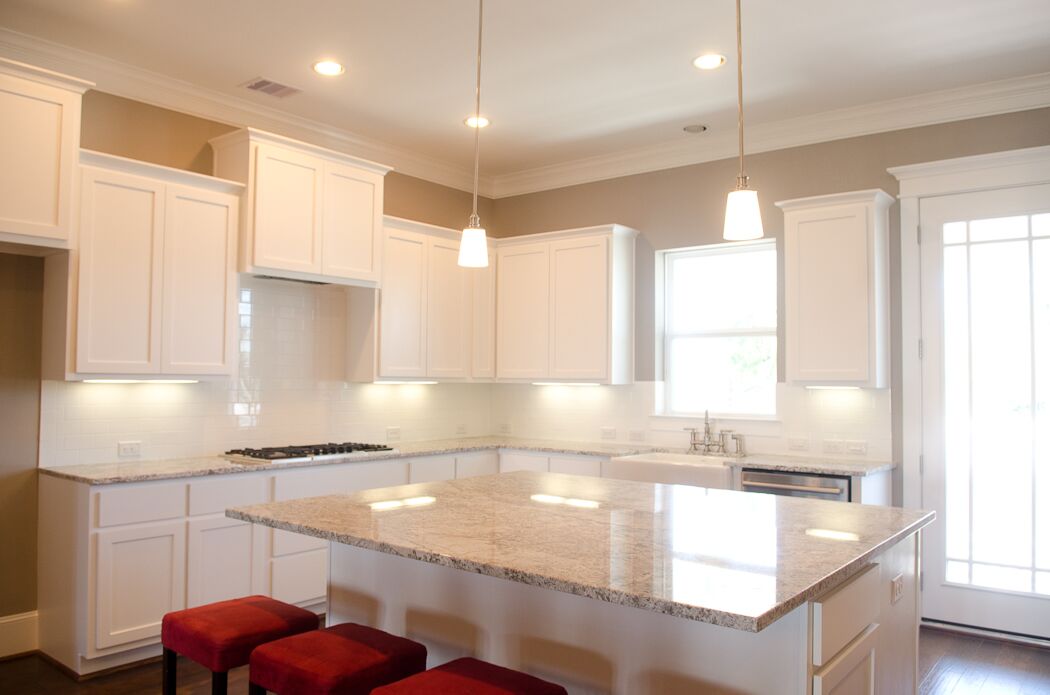
Frequently seen in contemporary homes, the simple, clean aspect of shaker doors complement many home styles, including farmhouse and craftsman. The focal point of the kitchen becomes the backsplash or granite, instead of the cabinet doors themselves. Perhaps most often viewed as white cabinetry, shaker doors come in a variety of stain and paint colors. Typical wood species include poplar and maple. 

Ornate Doors and Cabinetry

The warm yet elegant feel of a French Country kitchen is accented by the cathedral arched panels and decorative crown and trim surrounding the cabinetry. The detailed scrollwork and corbels throughout the set of cabinetry details this particular home style - most often seen in soft hues of cream, beige, soft green and natural wood to mimic a provincial feel. For a cleaner look, homeowners typically select maple or poplar wood species, but oak and alder woods have given a more rustic charm to the doors as well.


Raised Panel - Traditional and Rustic

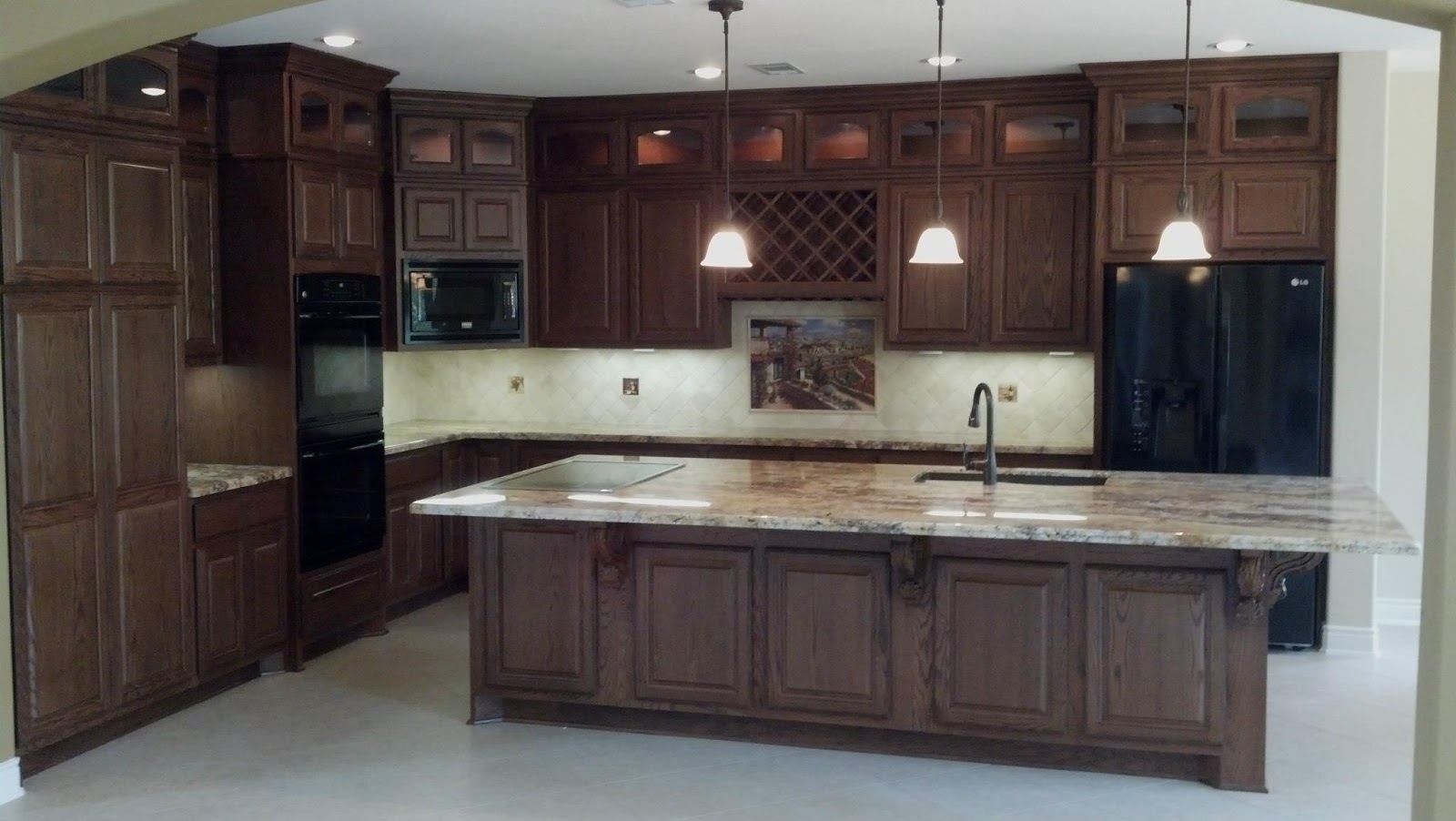
Slightly more decorative than the shaker style, the traditional raised panel door style shifts the focus of the kitchen on to other elements, such as the stone arch and backsplash as the first picture below. Two-tone cabinetry is a frequent occurrence, as well as a plethora of paint and stain selections. The raised panel doors for traditional styles are most often maple or poplar wood, while rustic styles showcase alder or oak for more texture. 

Traditional:

Rustic


Bead Board

For a farmhouse or cottage style of kitchen, bead board door panels add a lovely element of design and texture. Bead board is great as an accent piece as well; it can be used as an island end panel (or "kicker") as well as a backsplash piece. Commonly painted white in maple wood, beadboard can be painted or stained in any color.

Glass Cabinetry

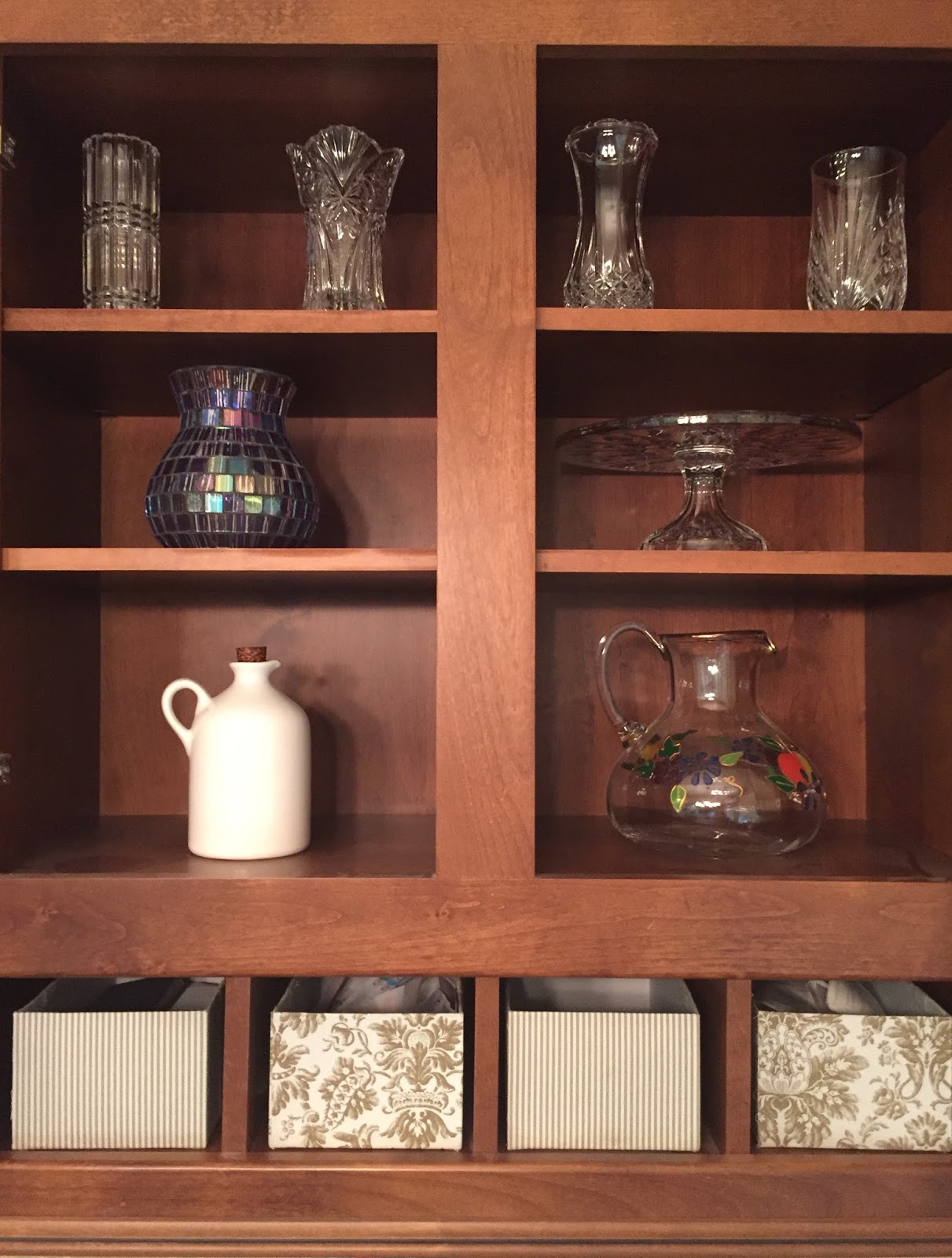
Frequently used in kitchens to highlight specialty china or glassware, glass cabinet panels create a visually larger space. Butler pantry cabinets and top cabinets are commonly inlaid with glass panels. The interior of the cabinet can be bead board or a solid panel, painted or stained to match the exterior. Glass panels are typically bordered in maple, oak, or alder wood.

Cabinetry Toppers

The addition of cabinetry above the upper cabinets to normal cabinetry extends the eye all the way to the ceiling, enlarging the kitchen itself. Over a sink or a refrigerator, these are referred to as "bridge cabinets" - and can match the style of the cabinet, or consist of glass with or without lighting. Plus you get the added benefit of not needing to clean on top of your cabinetry! 


Choosing your own adventure, one selection at a time! What would you choose?


Contact us today to view our design showroom and lovely selection of cabinetry options.
* www.KurkHomes.com * 1-800-749-KURK *


© Melanie McGinley Sparks and Kurk Homes, 2017. Unauthorized use and/or duplication of this material without express and written permission from this site’s author and/or owner is strictly prohibited. Excerpts and links may be used, provided that full and clear credit is given to Kurk Homes and Melanie McGinley Sparks with appropriate and specific direction to the original content.

SaveSave

Thursday, January 26, 2017

Spotlight on Home Design: The 8 Most Requested Architectural Styles

We always love to get the question "Can you change this?" while we are under design. Yes, we can! We love to. Our designers' goals are to pull the visions from our customers and create a plan that we can build. Some customers have dreams of a quaint farmhouse overlooking a beautiful garden, while others want the full metropolitan lifestyle of a more contemporary home. Whatever the customers' vision, a design/build firm like Kurk Homes can capture it.

While categorizing homes into styles can lead to muddy waters (such as transitional that incorporates contemporary, traditional, and sometimes mediterranean or craftsman elements), we've most frequently incorporated the following eight design styles.

Here are our 8 most popular requested home design styles (in no particular order):


RANCH: 

Maybe it's about designing and building in Texas, but ranch styles are very prevalent on wide lots or acreage. The sprawling, typically one-story construction has many architectural features of interest - window overhangs, faux trusses, shutters, and gables. We've seen brick and stone, sometimes combined with Hardie plank, as well as metal and shingle roofs.


FARMHOUSE:

The farmhouse is usually smaller than a ranch and typically uses more Hardie plank than masonry. Farmhouses are known for their large-scale porches, and appeal for smaller properties with a second story view. Many times these homes are on piers, with steps leading up to the expansive front porch as this plan above.


CRAFTSMAN:

Also referred to as "Bungalows," the craftsman style home originated in the 19th century, and really became popular in the early 1900s as a kind of architectural revolt against the industrial era. The highlights of the home became the intricate handcrafted details, natural elements added to the style, and decorative trim in contrasting paint or stained wood. Many older neighborhoods still have these full-of-charm homes, and newer homes are designed to incorporate that same antique appeal.


ACADIAN:

Frequently seen in Louisiana and derived from the original French Country style, Acadian style homes focus primarily on the outdoor living aspect typical with a plantation home. As its parent origin, Acadian homes have brick, Hardie, or stucco exteriors, with tall and thin windows flanked by shutters, a steep roof with dormers (either rounded or square), and a large front porch area with columns.


MEDITERRANEAN:

Based off the architecture visible in Spain, Portugal, and Italy, Mediterranean homes feature an exterior combination of stucco and stone with the occasional tile roof, courtyards, and balconies. Homeowners may want to add large wooden or iron doors with ornate detail and most of the homes have a low pitch to a flat roof style.

CONTEMPORARY:

The modern feel of a contemporary plan with large open windows and various angles and slants of a roofline has its place both in rural and urban areas. Most commonly, the exterior is a combination of natural and manmade elements - metal roofs and cedar or Hardie trim, sometimes with thin ledge stone. Contemporary homes showcase simplistic elevations with natural lighting while maximizing the interior livability of open concept floor plans.


TRADITIONAL:

American Traditional homes host an exterior of mainly brick, typically a reddish tone, with a lighter colored Hardie plank on the rear elevation. Composite shingle roofs in darker colors in varying roof pitches are commonly seen, as well as a symmetrical front elevation with multiple gables.


TRANSITIONAL:

The fusing of multiple styles into one home is referred to as "transitional". Many homeowners desire to merge their two favorites into one - we've most commonly combined contemporary and traditional styles together. This design blends the sometimes cold lines of contemporary with the ornate traditional, creating a new exterior that hosts the benefits of both without entirely checking either box.


Which style, or combination, would you choose for your home? 

© Melanie McGinley Sparks and Kurk Homes, 2017. Unauthorized use and/or duplication of this material without express and written permission from this site’s author and/or owner is strictly prohibited. Excerpts and links may be used, provided that full and clear credit is given to Kurk Homes and Melanie McGinley Sparks with appropriate and specific direction to the original content.

Tuesday, June 21, 2016

Interior Design - 7 Ways to Custom Design A Farmhouse Kitchen

The "farmhouse" look has become a favorite of many, especially as it has recently been made even more visible in current interior design/ remodeling shows. Farmhouse style first exclusively was the architecturals, the outside of the house, and originated simply by location. A home on a ranch or a farm, despite what it looked like, was called a farmhouse.

Now, the term has taken on a much different design element - as both exterior and interior has been further defined. As the kitchen is deemed the heart of the home, creating a farmhouse kitchen adds warmth and functionality with crisp colors and fun antique accents.


7 Ways to Custom Design Your Own Farmhouse Kitchen:


1. Open Concept 

The status quo for house layouts, as the farmhouse style alludes to family and functionality.  The place to gather, to eat together, pray together, and admire your grandmother's cooking and your spouse attempting to emulate grandmother's cooking! If you can, create the space that is open from the kitchen to the breakfast/dining areas and the living/family room.


Dropping the formals are optional. You can still have a farmhouse kitchen with a formal dining, whether or not that is close to the kitchen depends on if you can use the room for another purpose, and if you have the space to use it. Our customer base varies between formals and non. Typically, young or growing families want to have a more informal, breakfast area approach, or create a large Great Room from the kitchen through the dining to the family.


2. Raise that ceiling! Vaulted ceilings have so much visual interest, if you have the space to lift it, a 14' or higher vault will make the room feel huge. A pop up or tray ceiling in a 9' or 10' plate allows you another foot without the additional expense of raising the full plate of the room. Even more flavor can be added to the vault or tray by installing faux beams in various patterns. Interior wood is great to add a cozy feel to any space - cedar wrapped faux beams have almost a meatier grain, while pine wrapped would be for a crisper look.


3. Square Off. Trim and interior millwork is typically square in a farmhouse kitchen; this is probably the biggest difference between French Country and Farmhouse interiors, square trumps round in farmhouse style. Rectangular subway tile in glossy white or grey is a common selection for kitchens, and can be detailed such as a houndstooth pattern above the cooktop for added interest. 

Beadboard details on the back of islands, cabinet door styles or full pantry doors - or even as a wainscot wall - can be indicative of the farmhouse style. Rectangular baseboard, a plain 1x6 is perfect and inexpensive, double crown moulding and cased windows are wonderful trim details in a bright glossy or semi gloss white to add contrast to the wall color. Speaking of...


4. Be Cool with Color! Cool neutral walls* are "so hot right now" (in my best Zoolander voice) in greys, light blues, and the ever so popular MINT. I went with a Sherwin Williams Functional Grey with Extra White trim for my farmhouse kitchen. I'm not going to lie, I was so excited to see a fresh palette of color after years and years of builder beige. Add pops of color with a small accent wall or fun pottery/paintings/decor in bright greens, yellows, and blues.

*There is a transitional wall color if shades of grey instill fear. I actually convinced my husband to paint our powder bath this color, called Greige. Greige was the IT color as the "I may be scared of grey, but I'm sick of beige" neutral that could cross the temperature barrier as either warm or cool.


5. Expose the Shelves. Cabinetry in a farmhouse kitchen includes open shelving which can be functional or decorative, depending on the amount of storage. Colorful pottery or all white dishes and pitchers would both be great options for filling the shelves. 

Hanging coffee mugs on wall racks is both convenient and adorable, glass doors and chicken wire has also made an appearance in exposing shelves in either the pantry or the main kitchen cabinetry.


6. Antique the Sink! And Plumbing! Apron sinks, which is defined by the front portion of the sink extending slightly further than the cabinetry, like an apron, add a great dimension to the farmhouse kitchen. The sinks can be in either stainless steel or white porcelain, and are frequently one large bowl but can also be split, or partitioned, depending on personal preference. 

The vintage look on the faucet can be achieved by selecting a bridge style of faucet in chrome or stainless with cross or lever handles and a sprayer. Moen has some great vintage fixtures:


7.  Let there be Edison light. A vintage touch to lighting can be easily added using plain hanging pendants, but installing an Edison lightbulb in lieu of a regular fluorescent bulb. 
The distinguishable glowing filaments add old-time character. Selecting out of the ordinary lighting fixtures with mason jars, chicken wire, wagon wheels and rope are some more fun ideas to add quirky farmhouse fixtures above the island or sink without breaking the bank.


© Melanie McGinley (Sparks) and Kurk Homes, 2016. Unauthorized use and/or duplication of this material without express and written permission from this site’s author and/or owner is strictly prohibited. Excerpts and links may be used, provided that full and clear credit is given to Melanie McGinley (Sparks) and Kurk Homes with appropriate and specific direction to the original content.