Showing posts with label kitchen design. Show all posts

Thursday, April 20, 2017

Spotlight on Cabinetry Design - Favorite Styles

Cabinetry Styles

The character of the kitchen is displayed through the cabinetry design. With a wide selection of panel styles plus combinations of colors and textures, the custom home owner has free rein to complement their home style! 
Below are our Kurk homeowners' favorite styles of cabinetry, including door panel design, overall color schemes, selection of wood, or the cabinetry layout itself:

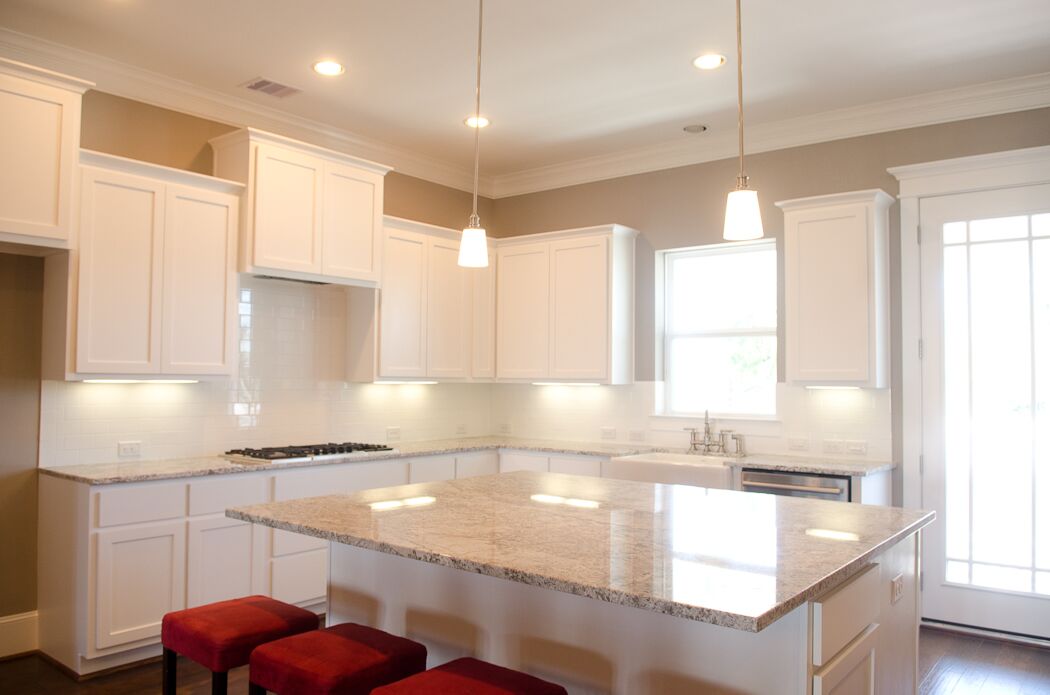
Shaker Doors

Frequently seen in contemporary homes, the simple, clean aspect of shaker doors complement many home styles, including farmhouse and craftsman. The focal point of the kitchen becomes the backsplash or granite, instead of the cabinet doors themselves. Perhaps most often viewed as white cabinetry, shaker doors come in a variety of stain and paint colors. Typical wood species include poplar and maple. 

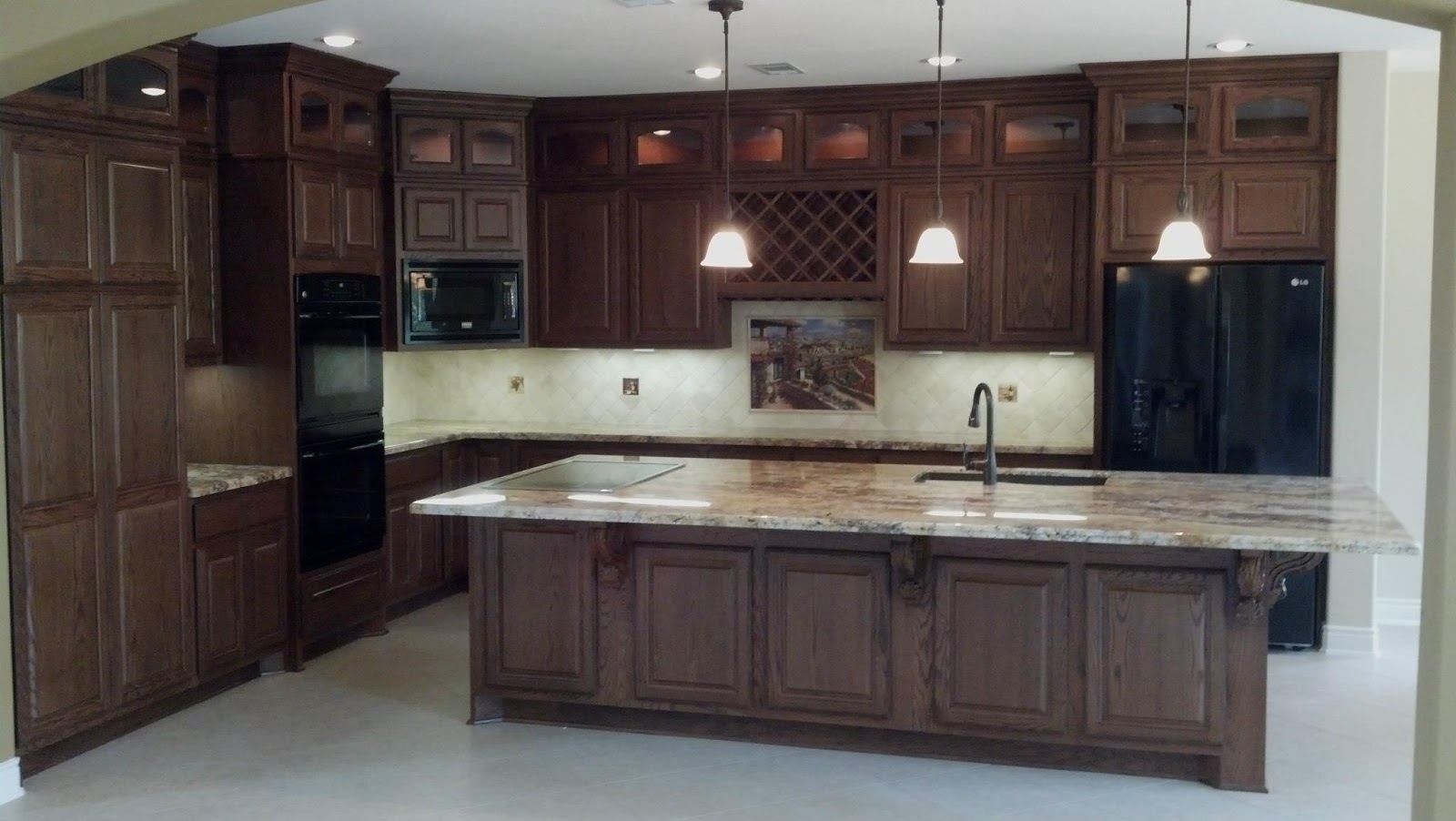
Ornate Doors and Cabinetry

The warm yet elegant feel of a French Country kitchen is accented by the cathedral arched panels and decorative crown and trim surrounding the cabinetry. The detailed scrollwork and corbels throughout the set of cabinetry details this particular home style - most often seen in soft hues of cream, beige, soft green and natural wood to mimic a provincial feel. For a cleaner look, homeowners typically select maple or poplar wood species, but oak and alder woods have given a more rustic charm to the doors as well.


Raised Panel - Traditional and Rustic

Slightly more decorative than the shaker style, the traditional raised panel door style shifts the focus of the kitchen on to other elements, such as the stone arch and backsplash as the first picture below. Two-tone cabinetry is a frequent occurrence, as well as a plethora of paint and stain selections. The raised panel doors for traditional styles are most often maple or poplar wood, while rustic styles showcase alder or oak for more texture. 

Traditional:

Rustic


Bead Board

For a farmhouse or cottage style of kitchen, bead board door panels add a lovely element of design and texture. Bead board is great as an accent piece as well; it can be used as an island end panel (or "kicker") as well as a backsplash piece. Commonly painted white in maple wood, beadboard can be painted or stained in any color.

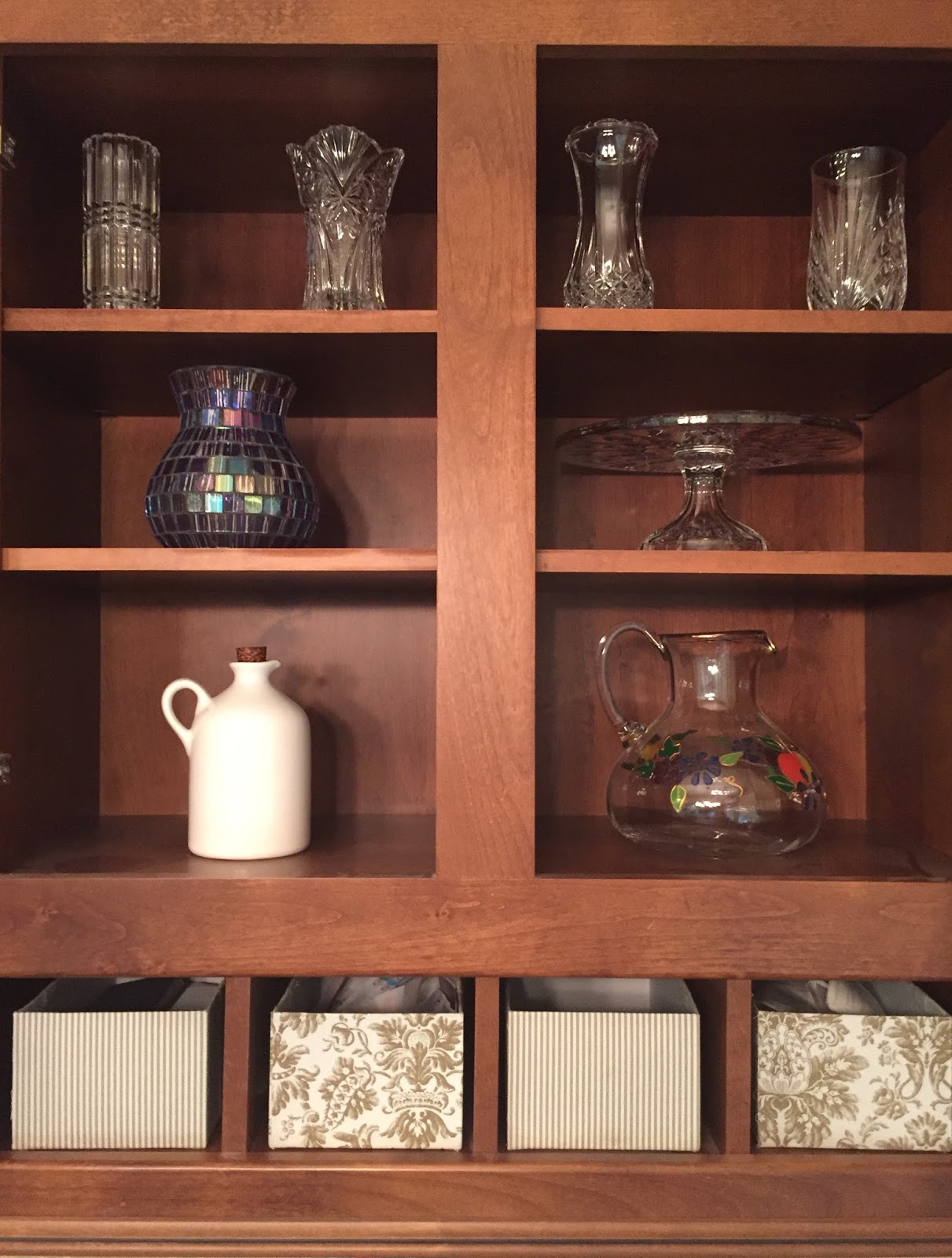
Glass Cabinetry

Frequently used in kitchens to highlight specialty china or glassware, glass cabinet panels create a visually larger space. Butler pantry cabinets and top cabinets are commonly inlaid with glass panels. The interior of the cabinet can be bead board or a solid panel, painted or stained to match the exterior. Glass panels are typically bordered in maple, oak, or alder wood.

Cabinetry Toppers

The addition of cabinetry above the upper cabinets to normal cabinetry extends the eye all the way to the ceiling, enlarging the kitchen itself. Over a sink or a refrigerator, these are referred to as "bridge cabinets" - and can match the style of the cabinet, or consist of glass with or without lighting. Plus you get the added benefit of not needing to clean on top of your cabinetry! 


Choosing your own adventure, one selection at a time! What would you choose?


Contact us today to view our design showroom and lovely selection of cabinetry options.
* www.KurkHomes.com * 1-800-749-KURK *


© Melanie McGinley Sparks and Kurk Homes, 2017. Unauthorized use and/or duplication of this material without express and written permission from this site’s author and/or owner is strictly prohibited. Excerpts and links may be used, provided that full and clear credit is given to Kurk Homes and Melanie McGinley Sparks with appropriate and specific direction to the original content.

SaveSave

Tuesday, February 21, 2017

From Quarries to Custom Homes - All About Countertops!

Kitchen and bathroom designs can largely rely on the selection of the countertop. Whether your design is contemporary, farmhouse, French country, or Texas rustic - the surface you select for your countertop can either add complexity or simplicity - easing the eye into fun backsplash designs or funky cabinetry. Or, it can all blend like a beautiful ethereal piece of art.

Here are a few options of countertops - split into the natural "rock" formations from quarries and engineered products from manufacturers.

Natural Products: 

Granite

Probably the most well-known countertop surface in homebuilding is granite. Known for its durability and plethora of color selections from white to black and every variation in between, granite is a favorite among customers and builders alike. Although granites are sturdy rocks of countertops, they do require maintenance by sealing the surface as needed. Lighter granites will need more frequent  sealing applications - closer to six months - while darker granites can last a year or longer without re-sealing.

Granite is a natural product, pulled from quarries around the world. Sandstone, that has been melted by the earth's heated core and then cooled, create this multi-dimensional rock; the difference in colors attributed to the minerals (such as iron creating a more red tint) that were trapped during the melting and cooling process. 


Colonial White Granite
Gorgeous slab of Green Labradorite Granite

Marble

One of the oldest known countertop surfaces is marble. Created from massive heat and pressure on limestone over thousands of years, marble has been used to create entire spectacular cities most notably in Greece, Italy, and surrounding countries.

The historic prestige of marble is a draw for many customers and builders, however, the softness of the stone is a drawback. Marble is more porous than granite or manufactured stone, therefore, it can stain and scratch without the utmost care. For that reason, marble countertops are not as popular in kitchens, but still have a frequent occurrence in guest or powder bathrooms. Re-sealing marble is recommended as needed for high traffic areas as much as every few months.

Carrara Marble Vanity Top

Butcher Block

Many people are drawn to the rustic wood look and feel of an authentic butcher block countertop. Whether as a dedicated portion of the island, or using the entire space as a giant cutting board, butcher blocks add texture and warmth to any kitchen. 

Maintenance needs of butcher blocks include sealing and coating with mineral oil, typically every few months. Scratches from knife blades are to be expected, and placing hot pots directly onto the surface should be avoided. It is wood after all!

Beautiful Butcher Block Island

Quartzite

Quartzite is very similar to granite in its creation - differing only in the abundance of quartz in the sandstone. Many people confuse engineered quartz countertops with quartzite, and the distinction should be made that quartzite is a naturally occurring product, while quartz countertops are man-made. See further on for the description of Silestone and Ceasarstone quartz countertops. 

As a natural product, quartzite - not unlike granite - can vary in its character. In the pictures below, the quartzite is the "Super White" selection. However, depending on when the product was harvested from the quarries, as well as the location of the quarries themselves, the color and veining patterns can vary immensely! Although harder than granite, quartzite still needs maintenance of re-sealing every one to two years. 

Lovely Island and Perimeter of Super White Quartzite


Super White Quartzite Island and Perimeter


Engineered Products: 

Quartz Countertops - Ceasarstone and Silestone

Made of a composite of mostly natural quartz with resins, Ceasarstone and Silestone are the least porous man-made countertops of this list with durability that exceeds marble, granite, and quartzite.  The difference between the brands is that Ceasarstone is comprised of over 93% quartz, while Silestone is at 90%. Silestone has more color selection while Ceasarstone has broader options for finishing on edges. 

Both products are consistently patterned throughout, there will not be color variation amidst a slab of manufactured quartz as there would be in granite, marble, or quartzite. For this reason, the selection process can be a simple one - the swatch will match the slab. Also convenient for the homeowner, quartz countertops do not need to be sealed.

Ceasarstone Display at our Kurk Homes Design Center
Blanco Orion Silestone
Silestone "White Platinum" 

Cultured Marble

Cultured marble countertops are made from marble particles mixed with liquid polyester resin. Any shape can be custom made, since the product is molded. Typically coated with clear finish in either high gloss or matte, cultured marble countertops are most popular in bathrooms with recessed sinks. The color selection is endless, as the manufacturer can also tint the product to suit the customers' needs.

With the resin, the cultured marble is a non-porous product that is harder than marble, yet softer than granite. Re-finishing is recommended to prevent resistance to stains and scratches, however, unlike the natural materials, cultured marble can have scratches or abrasions filled relatively easily with a gel compound. 

Platinum Cultured Marble Vanity Top


Solid Surface:

Similar to cultured marble, solid surface countertops are moldable - made of a polyester resin with bauxite filler and pigments. They are stain-resistant and durable in comparison to products that have a seam, thus, they are highly used in the medical field, but residential use is also common. 

The countertops are created to mimic other surfaces, such as wood, stone, quartz, granite, or marble - so the color and pattern selection is endless. Some homeowners prefer the variety of the selections and the cost effectiveness of the solid surface countertop compared to granite or marble.

Corian Linen Countertop


Which ones would you choose for your home? 

As always, if you would like to learn more about Kurk Homes and what we can offer our customers, please visit our website at www.KurkHomes.com or call us at 1-800-749-KURK. Thanks for stopping by! 


© Melanie McGinley Sparks and Kurk Homes, 2017. Unauthorized use and/or duplication of this material without express and written permission from this site’s author and/or owner is strictly prohibited. Excerpts and links may be used, provided that full and clear credit is given to Kurk Homes and Melanie McGinley Sparks with appropriate and specific direction to the original content.

SaveSaveSaveSave

Thursday, August 18, 2016

7 Ways to Add Texture & Character With Interior Masonry

This month's spotlight is on Interior Masonry. Here are 7 Beautiful Ideas to add texture and character to your home using rugged, typically outdoor materials such as brick and stone!


 #1 - Kitchen Backsplash 

This brick wall surrounding the stainless steel appliance hood and cabinets creates a bold statement, and ties into the gorgeous stained wood of the cabinetry, doors, and trim. 

 #2 - Stone "Kicker" 

If you can picture four kids sitting on stools next to this bar top island, you will understand why we refer to these stone surrounds as "kickers." Much more kid friendly than sheetrock, a stone island surround adds texture and interest to an otherwise ordinary construction detail. 

 #3 - Brick Trim on Niche Walls 


The options are limitless with niches. Some families display artwork, sculpture pieces, or even a built-in bench could fit in this niche. Detailing the edges with brick adds distinct structure without taking away what is showcased inside of the niche.


#4 - Fireplaces 


Masonry fireplaces as focal points of the room provide more than just warmth! The rugged facade of stone, whether a veneer stone or fully dimensional, can really draw the eye in to the structure. Brick or stone fireplace surrounds create an inviting space, encouraging the family to sit for pictures on the hearth!


#5 - Arch above Cooktop

Tying your kitchen to outdoor living is easily done by adding a brick or stone cooktop arch during the design phase.  Coordinating granite and neutral tile backsplash allow this stone veneer to really "pop!"


#6 - Full Masonry Walls 


The quintessential "man cave" above was designed as a Billiard Room, complete with stained glass windows and themed lighting fixtures. The brick walls on all four sides of the room complete the rugged look, and can certainly add some sound-proofing as well!


#7 - Masonry Flooring

Not just for coordinating with the backsplash in a bathroom as a veneer, full bricks or flagstone can be laid in entry ways and lanais for additional texture and interest. Rough surfaces are tougher to clean, but less slippery-when-wet as smooth tile would be. 


What do you think? How would you add interior masonry for a design aspect in your dream home?

© Melanie McGinley (Sparks) and Kurk Homes, 2016. Unauthorized use and/or duplication of this material without express and written permission from this site’s author and/or owner is strictly prohibited. Excerpts and links may be used, provided that full and clear credit is given to Melanie McGinley (Sparks) and Kurk Homes with appropriate and specific direction to the original content.

Tuesday, June 21, 2016

Interior Design - 7 Ways to Custom Design A Farmhouse Kitchen

The "farmhouse" look has become a favorite of many, especially as it has recently been made even more visible in current interior design/ remodeling shows. Farmhouse style first exclusively was the architecturals, the outside of the house, and originated simply by location. A home on a ranch or a farm, despite what it looked like, was called a farmhouse.

Now, the term has taken on a much different design element - as both exterior and interior has been further defined. As the kitchen is deemed the heart of the home, creating a farmhouse kitchen adds warmth and functionality with crisp colors and fun antique accents.


7 Ways to Custom Design Your Own Farmhouse Kitchen:


1. Open Concept 

The status quo for house layouts, as the farmhouse style alludes to family and functionality.  The place to gather, to eat together, pray together, and admire your grandmother's cooking and your spouse attempting to emulate grandmother's cooking! If you can, create the space that is open from the kitchen to the breakfast/dining areas and the living/family room.


Dropping the formals are optional. You can still have a farmhouse kitchen with a formal dining, whether or not that is close to the kitchen depends on if you can use the room for another purpose, and if you have the space to use it. Our customer base varies between formals and non. Typically, young or growing families want to have a more informal, breakfast area approach, or create a large Great Room from the kitchen through the dining to the family.


2. Raise that ceiling! Vaulted ceilings have so much visual interest, if you have the space to lift it, a 14' or higher vault will make the room feel huge. A pop up or tray ceiling in a 9' or 10' plate allows you another foot without the additional expense of raising the full plate of the room. Even more flavor can be added to the vault or tray by installing faux beams in various patterns. Interior wood is great to add a cozy feel to any space - cedar wrapped faux beams have almost a meatier grain, while pine wrapped would be for a crisper look.


3. Square Off. Trim and interior millwork is typically square in a farmhouse kitchen; this is probably the biggest difference between French Country and Farmhouse interiors, square trumps round in farmhouse style. Rectangular subway tile in glossy white or grey is a common selection for kitchens, and can be detailed such as a houndstooth pattern above the cooktop for added interest. 

Beadboard details on the back of islands, cabinet door styles or full pantry doors - or even as a wainscot wall - can be indicative of the farmhouse style. Rectangular baseboard, a plain 1x6 is perfect and inexpensive, double crown moulding and cased windows are wonderful trim details in a bright glossy or semi gloss white to add contrast to the wall color. Speaking of...


4. Be Cool with Color! Cool neutral walls* are "so hot right now" (in my best Zoolander voice) in greys, light blues, and the ever so popular MINT. I went with a Sherwin Williams Functional Grey with Extra White trim for my farmhouse kitchen. I'm not going to lie, I was so excited to see a fresh palette of color after years and years of builder beige. Add pops of color with a small accent wall or fun pottery/paintings/decor in bright greens, yellows, and blues.

*There is a transitional wall color if shades of grey instill fear. I actually convinced my husband to paint our powder bath this color, called Greige. Greige was the IT color as the "I may be scared of grey, but I'm sick of beige" neutral that could cross the temperature barrier as either warm or cool.


5. Expose the Shelves. Cabinetry in a farmhouse kitchen includes open shelving which can be functional or decorative, depending on the amount of storage. Colorful pottery or all white dishes and pitchers would both be great options for filling the shelves. 

Hanging coffee mugs on wall racks is both convenient and adorable, glass doors and chicken wire has also made an appearance in exposing shelves in either the pantry or the main kitchen cabinetry.


6. Antique the Sink! And Plumbing! Apron sinks, which is defined by the front portion of the sink extending slightly further than the cabinetry, like an apron, add a great dimension to the farmhouse kitchen. The sinks can be in either stainless steel or white porcelain, and are frequently one large bowl but can also be split, or partitioned, depending on personal preference. 

The vintage look on the faucet can be achieved by selecting a bridge style of faucet in chrome or stainless with cross or lever handles and a sprayer. Moen has some great vintage fixtures:


7.  Let there be Edison light. A vintage touch to lighting can be easily added using plain hanging pendants, but installing an Edison lightbulb in lieu of a regular fluorescent bulb. 
The distinguishable glowing filaments add old-time character. Selecting out of the ordinary lighting fixtures with mason jars, chicken wire, wagon wheels and rope are some more fun ideas to add quirky farmhouse fixtures above the island or sink without breaking the bank.


© Melanie McGinley (Sparks) and Kurk Homes, 2016. Unauthorized use and/or duplication of this material without express and written permission from this site’s author and/or owner is strictly prohibited. Excerpts and links may be used, provided that full and clear credit is given to Melanie McGinley (Sparks) and Kurk Homes with appropriate and specific direction to the original content.